
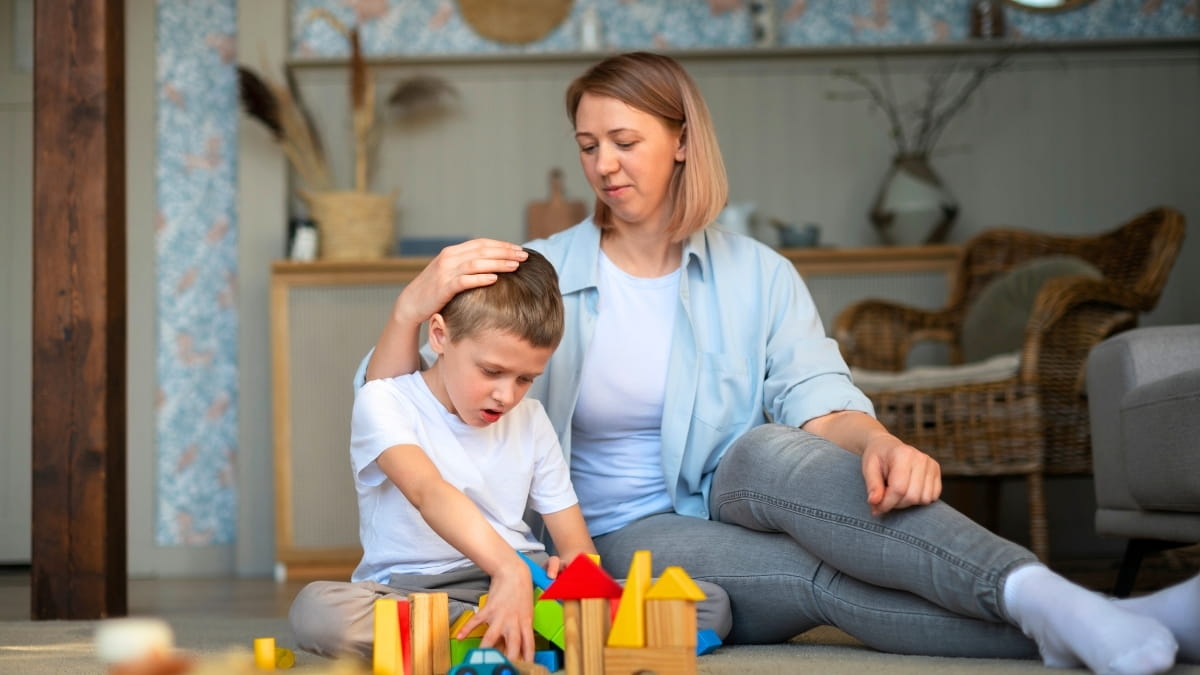

Applied Behaviour Analysis also commonly known as ABA therapy is used for supporting children with autism. Autism is basically a developmental condition that affects how a child communicates, learns and responds to the surrounding environment. There are many autistic children who experience emotional challenges along with learning difficulties, and anxiety is one of them.
It can affect the daily routine, behaviour and emotional comfort of your child. That is why the parents should look for therapies that not only support learning but also improve emotional stability. ABA therapy focuses on understanding behaviour and teaching positive skills. It makes many parents wonder if it can help manage anxiety effectively in autistic children.
In this blog, we will understand how ABA therapy helps with anxiety in your autistic child.
What Is ABA Therapy and How Does It Work
ABA therapy focuses on understanding how a child behaves and why certain behaviours occur in them. It works by carefully observing the child and identifying their behaviour patterns that affect their learning and emotional responses.
Along with that, the ABA therapists teach useful and positive skills through:
- Regular practice
- Encouragement
- Positive reinforcement
These skills are usually broken into small and manageable steps so that the child can learn them comfortably. The therapy is planned according to the abilities, needs, and learning speed of your child. Thus, it helps your child understand what to do and feel more secure over time.
According to the World Health Organization, about 1 in 127 people globally has autism, highlighting that autism occurs across many countries and cultures.
Understanding Anxiety in Autistic Children
We all know that anxiety is a feeling of fear, worry or discomfort that can happen when a child feels unsafe or unsure. Especially, the autistic children may experience anxiety more often due to difficulties with:
- Communication
- Changes in routine
- Sensory sensitivity
Not just that, loud sounds and unfamiliar places can also feel overwhelming to them.
- Some children may become quiet, avoid activities or show repetitive behaviours.
- Others may experience emotional outbursts or physical discomfort.
Therefore, understanding how anxiety appears in each child is important for the therapists and parents. According to the U.S. Centres for Disease Control and Prevention, about 1 in 31 children has autism spectrum disorder based on the latest data from 2022.
Why Managing Anxiety Is Important for Autistic Children
As a parent, you should understand that anxiety can affect many important areas of your child’s daily life. It can include learning, social interaction, sleeping and taking care of their overall emotional health.
It can stop your child from participating in school activities or following daily routines properly if they are always anxious. As a result, your child may find it very difficult to focus, follow instructions or communicate with others during anxious moments. Not just that, repeated anxiety can reduce the confidence of your child and limit their independence in different situations.
That is why you should help your child manage anxiety effectively. As it can make them feel safer and more comfortable every day. When your child experiences less emotional stress, they will naturally want to learn and experience new things.
According to the U.S. National Institute of Mental Health, autism is about 3.4 times more common in boys than in girls, showing significant gender differences in diagnosis rates.
How ABA Therapy Supports Anxiety Reduction
The therapist carefully observes your child during daily activities at home or school. This observation helps them identify the things that cause stress or fear in your child. Once they understand it, the therapist creates a simple and clear therapy plan for your child.
The plan may include teaching your child what will happen next in a routine or activity. When children with autism know what to expect, their anxiety reduces so much. On top of it, some positive reinforcement also encourages your child and helps them feel confident during stressful situations.
Teaching Coping Skills Through ABA Methods
Fundamentally, the coping skills are simple techniques that help your child manage difficult emotions. In continuity, ABA therapy focuses on teaching them such skills in a structured and supportive way. The skills are introduced in an organised way so that your child does not feel overwhelmed.
For example, your child may be taught to ask for help when needed or take a short break when they are feeling anxious. The therapist often demonstrates these skills and practices them together with your child. Plus, regular practice helps your child remember the skills and use them in real-life situations. It helps to boost their self-confidence as well and they become better at handling emotional stress independently.
According to a recent clinical study, more than half of children with autism show signs of anxiety, with estimates as high as 50 percent in some groups.
The Role of Family and Daily Environment
The involvement of the family is very important for the success of ABA therapy. The parents and caregivers are encouraged to practise the skills at home and during daily routines. When the same strategies are used at home, children with autism feel better. That is because using the same methods in different places helps your child understand what is expected of them. They also learn how to respond calmly during anxious moments.
Other Therapies That Can Support Anxiety
There are many other therapies that can also support anxiety in autistic children when used along with ABA therapy for your child. Some children with autism can benefit from these therapies alongside ABA:
- Speech therapy
- Occupational therapy
- Counselling support
These therapies focus on the different areas of development in children with autism. If the parents and therapists work together, it helps ensure that the emotional, social, and learning needs of such children are supported together.
In simple words, autistic children receive balanced care and consistent guidance across different environments when therapies work together. Sometimes your child may benefit from other therapies that support emotional and social growth along with practising skills at home.
Setting Realistic and Helpful Goals
Many parents often do not realise how important it is to set meaningful goals in ABA therapy for their child. These goals help in managing anxiety which may support better emotional control, clearer communication or less avoidance of certain situations.
These goals are carefully planned by the therapists based on the abilities of your child. After that, their progress is checked regularly to make sure the goals are still helpful and supportive. As your child grows and learns new skills, the goals are updated to match their changing needs.
Such a flexible approach helps your child keep improving without feeling pressured. You can notice your child using coping skills in small ways at home or school, like asking for help or taking a calm break. These small steps show that therapy is helping them manage anxiety.
Conclusion
The ABA therapy can definitely help children with autism manage anxiety in a calm and structured way. It teaches them simple skills that help your child understand routines, handle emotions and feel more comfortable in daily life. When their anxiety is reduced, your child can focus better and feel more confident.
At Curakids Autism Services, we provide gentle and personalised ABA therapy plans for autistic children based on what they really need. We also help them learn and practice those skills at home, school and in daily life. Your child can slowly become more independent and confident with regular practice and family support.
